Resistance & repair
The archive documents harm and policy; this gallery honors people who organized, wrote, litigated, marched, and built community in the struggle against racism and for dignity. They are a small sample—additions welcome through the submission form or admin.
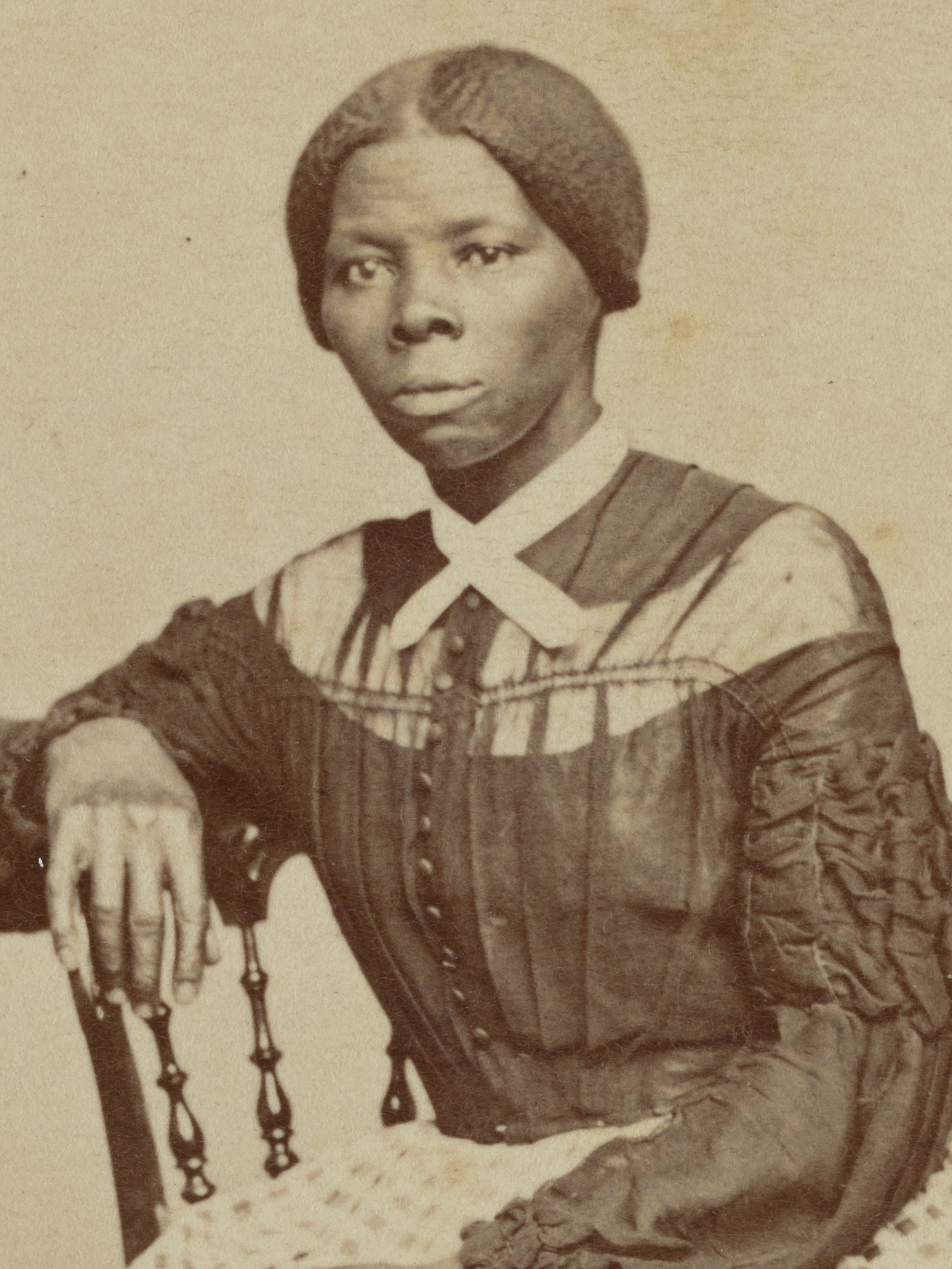
After freeing herself from slavery, Tubman returned South repeatedly to lead roughly seventy people to freedom and later served as a Union scout and nurse during the Civil War.
Read more →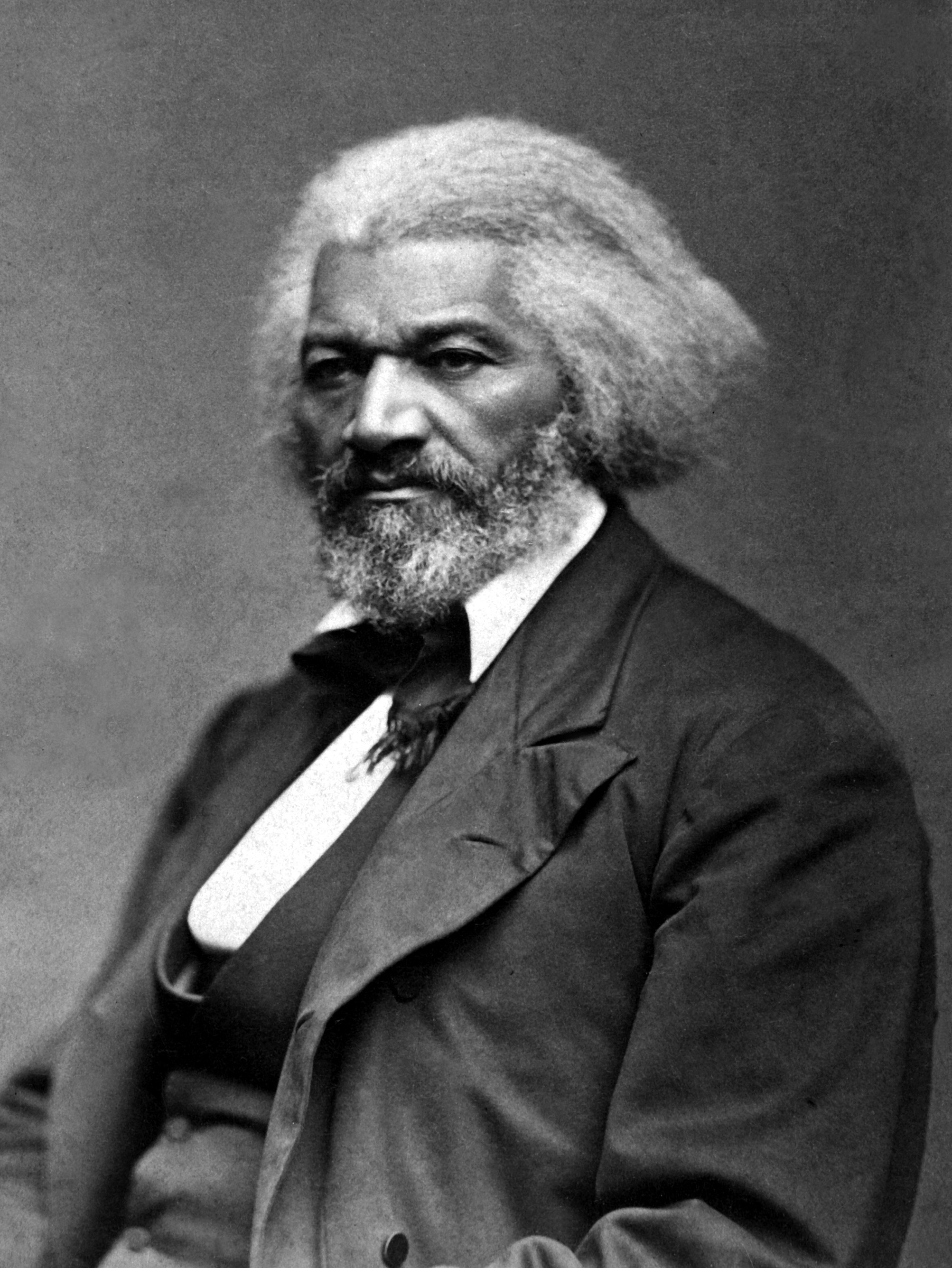
Born into slavery, Douglass became one of the most influential abolitionists of the nineteenth century through speeches, journalism, and diplomacy—including advising Lincoln.
Read more →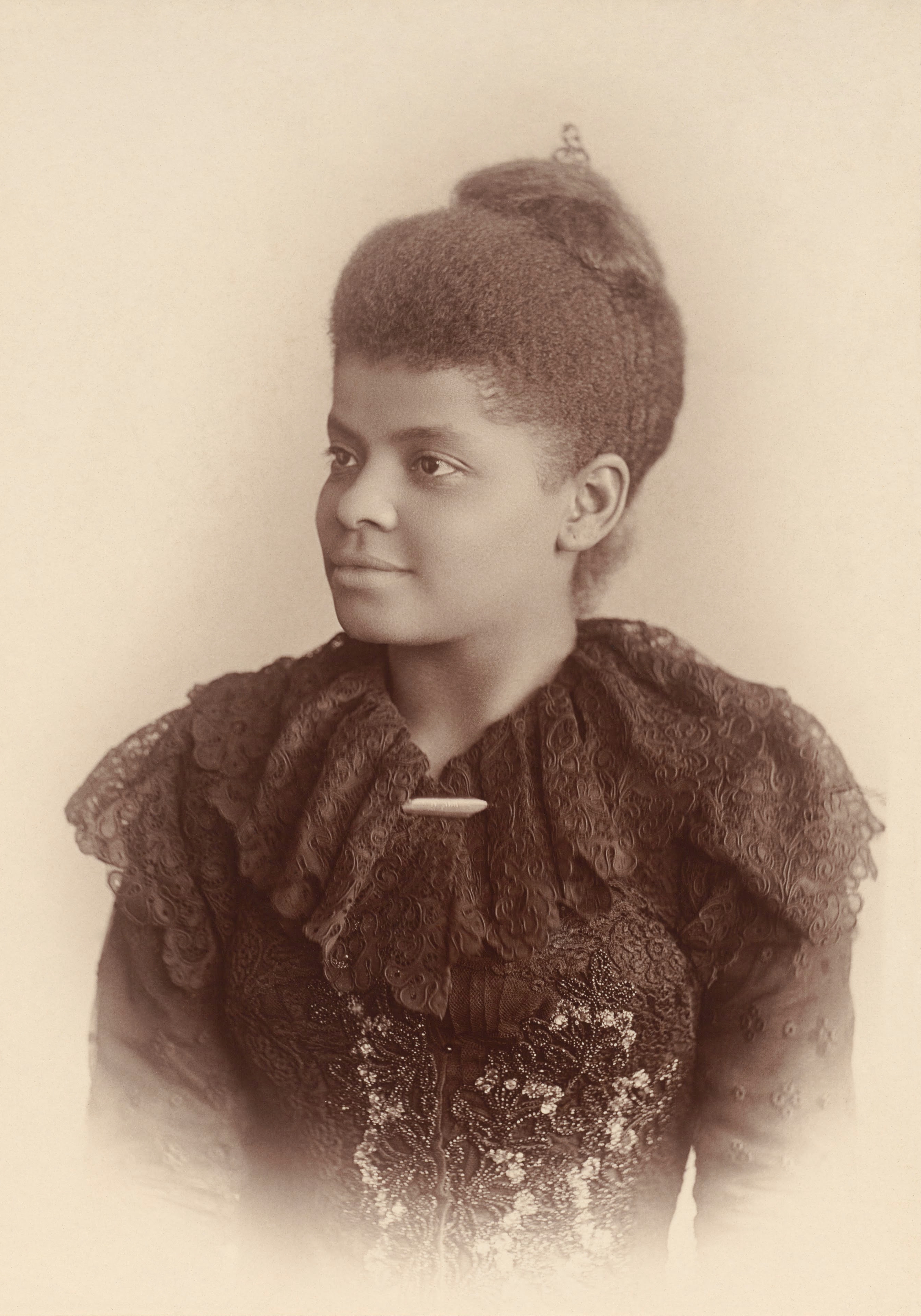
Wells documented lynching with data and narrative, co-founded the NAACP, and built Black institutions in Memphis and Chicago while facing mob violence and exile.
Read more →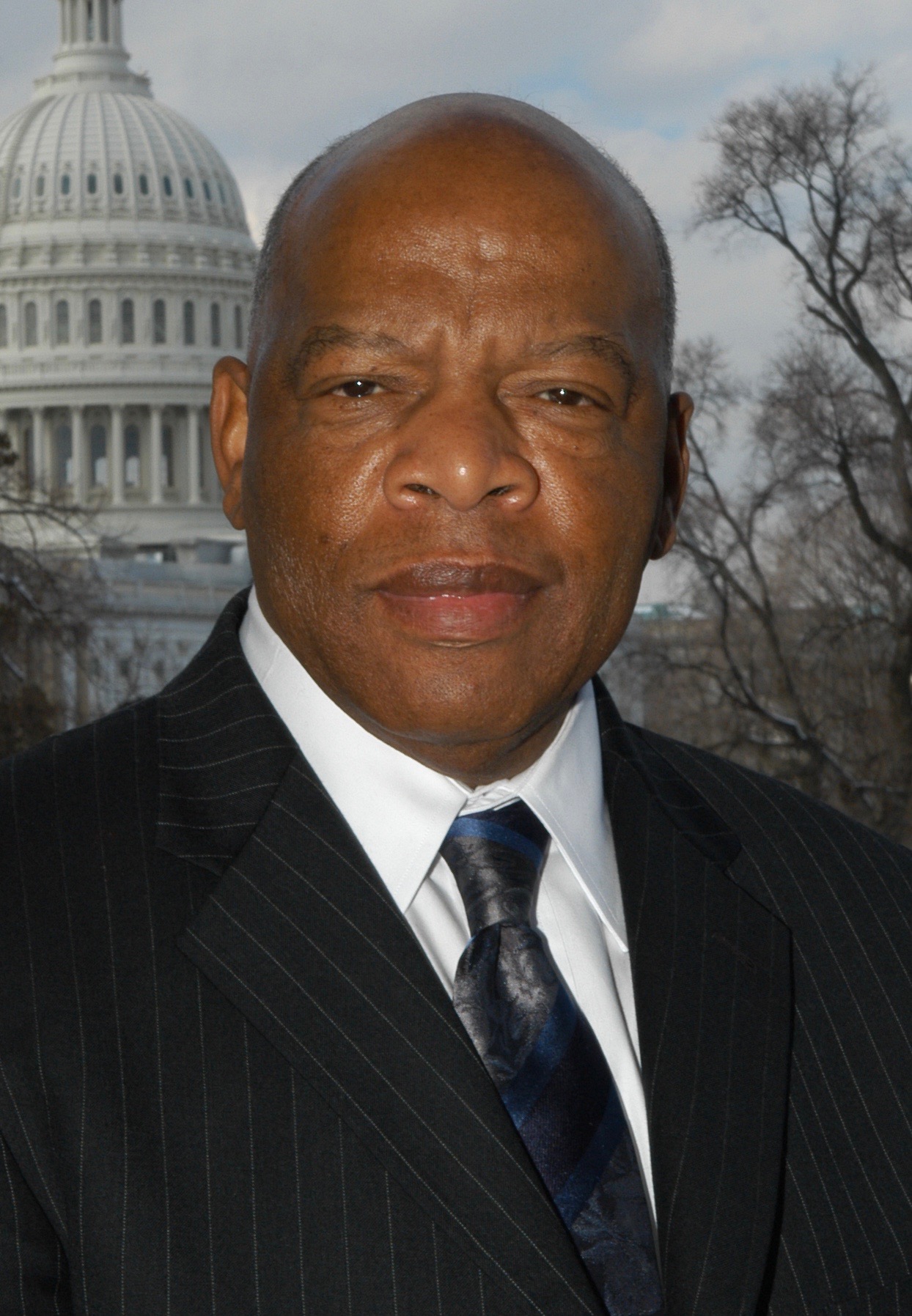
Lewis chaired SNCC, helped lead the Selma march where he was beaten on Bloody Sunday, and served decades in Congress championing voting rights and reconciliation.
Read more →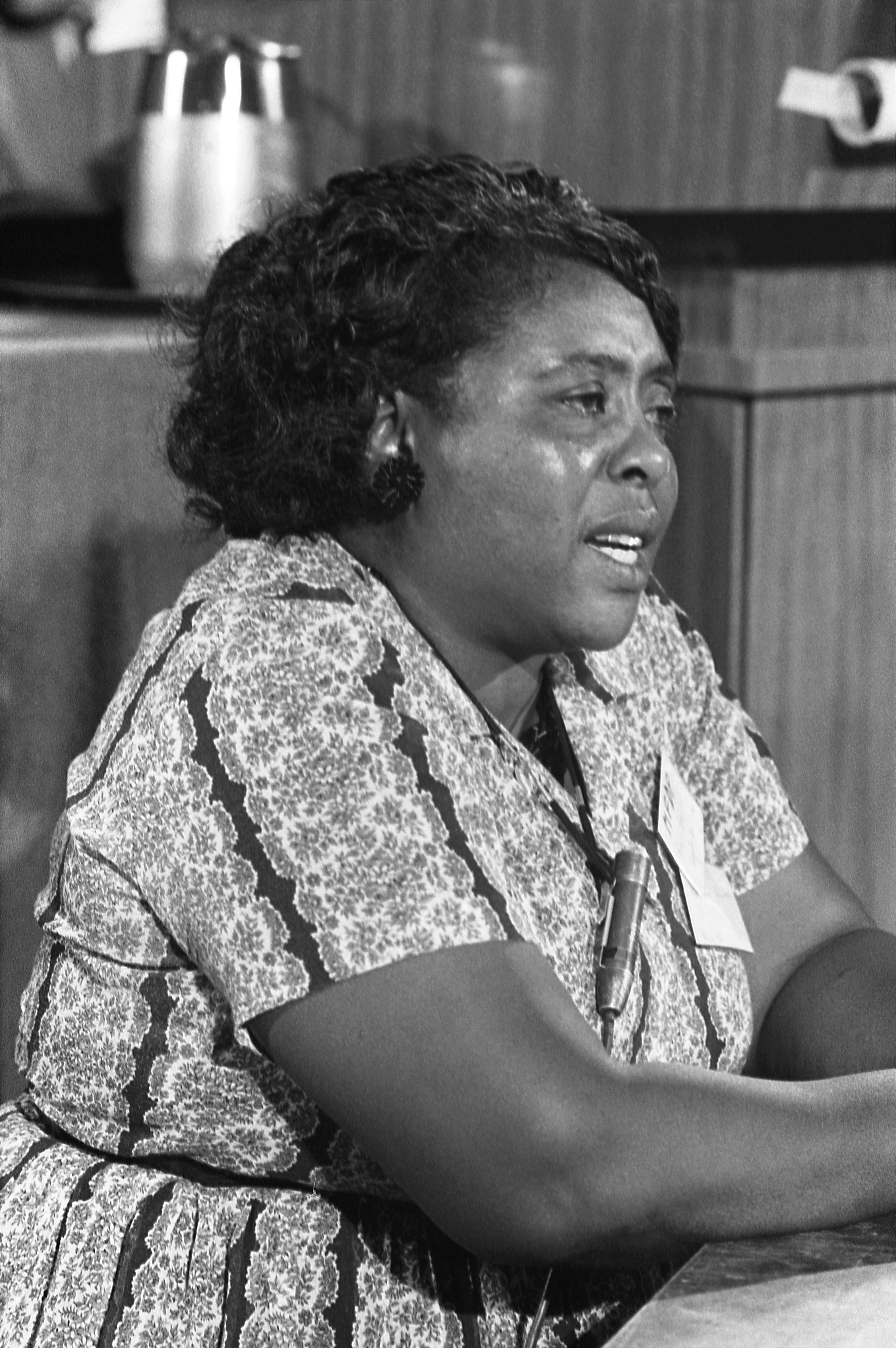
A sharecropper who became a national voice for voting rights, Hamer survived brutal reprisals and delivered searing testimony at the 1964 Democratic convention.
Read more →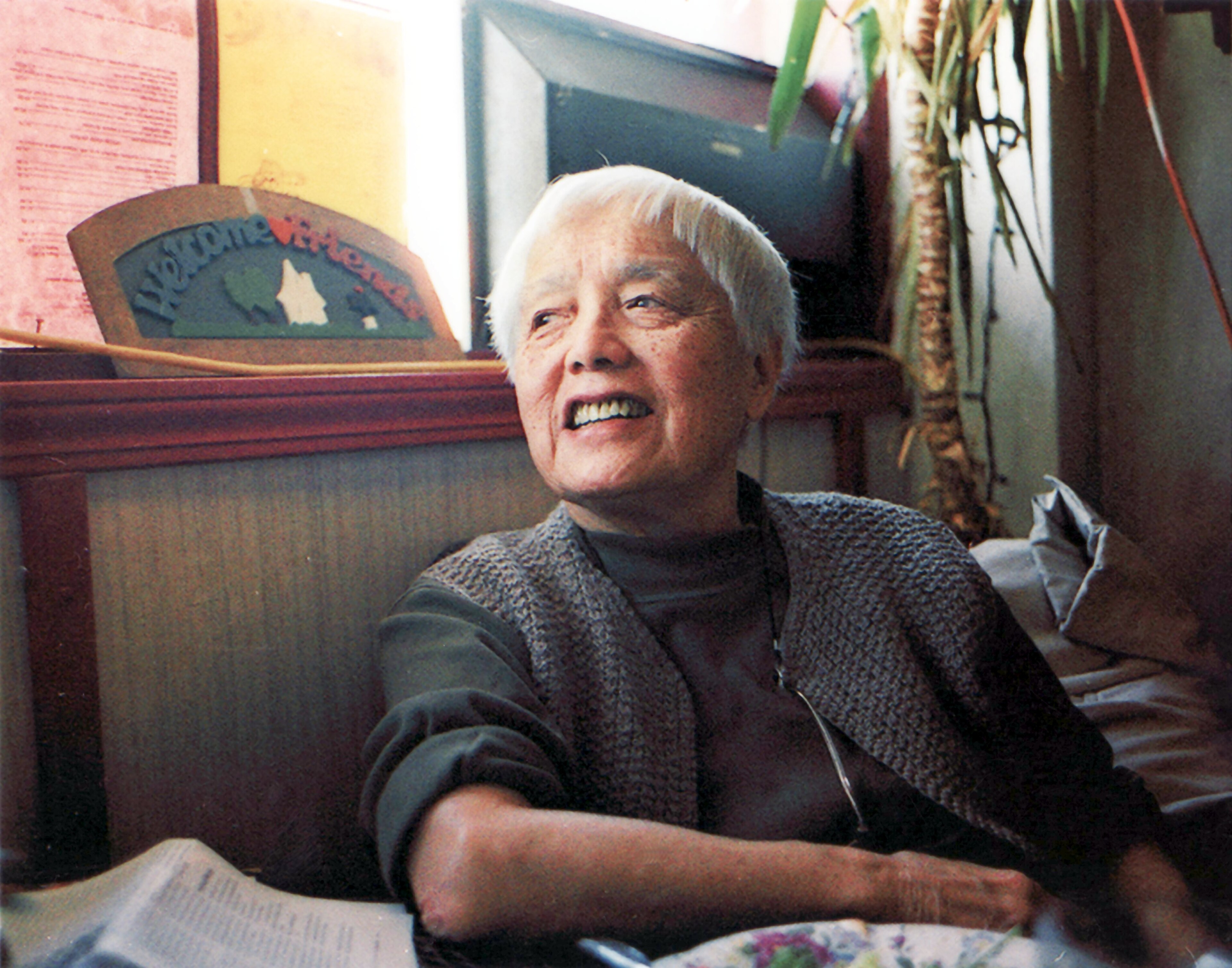
Boggs spent decades organizing around labor, Black Power, and urban renewal—later fostering youth-led urban agriculture and mutual aid in Detroit.
Read more →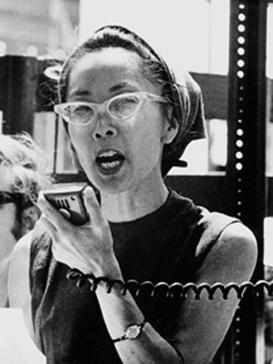
After Japanese American incarceration during World War II, Kochiyama worked with Black, Puerto Rican, and Asian American liberation movements in Harlem and beyond.
Read more →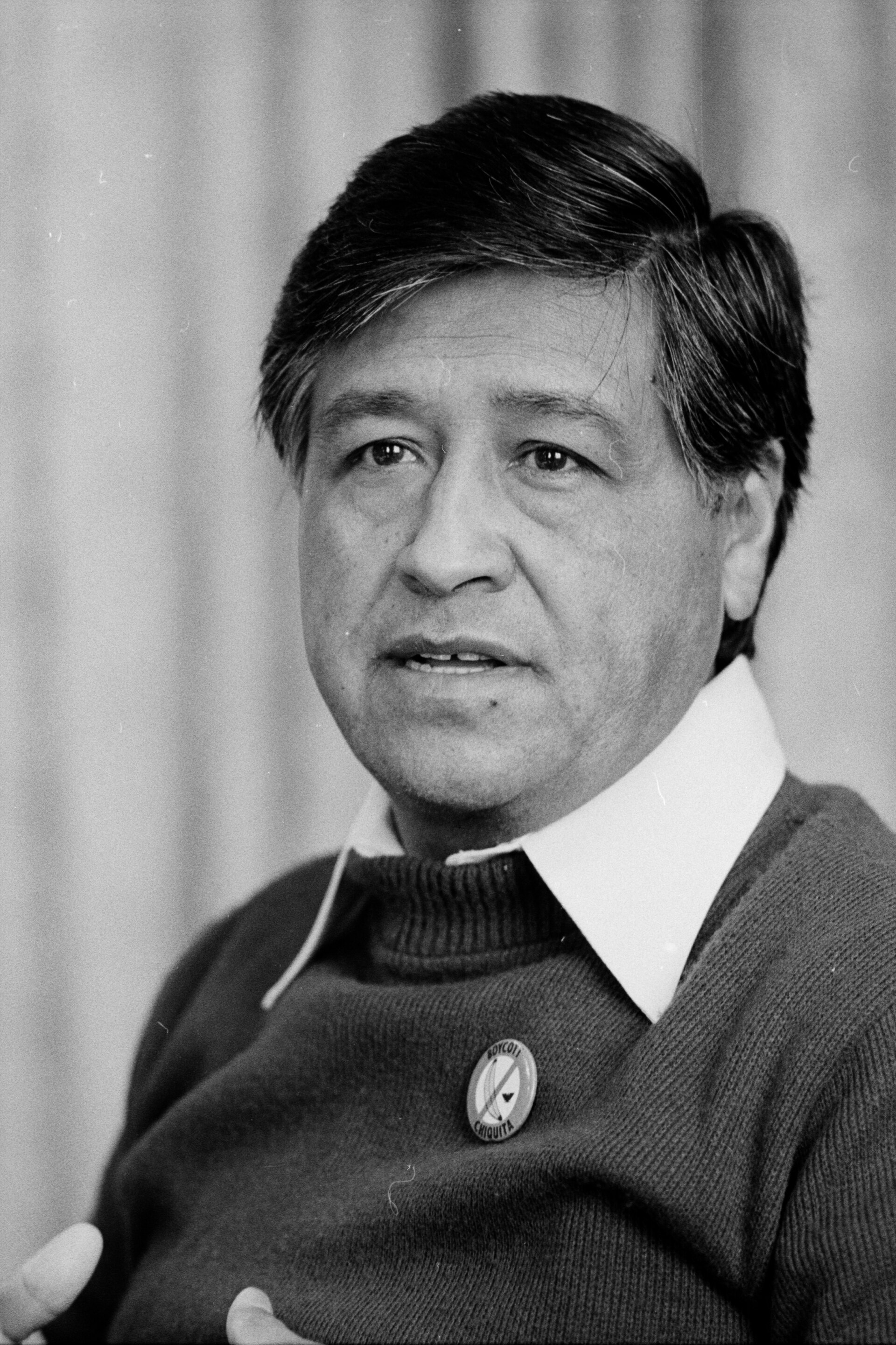
Chávez co-founded the UFW, using strikes, boycotts, and fasts to improve conditions for predominantly Latino farmworkers and expose exploitative labor systems.
Read more →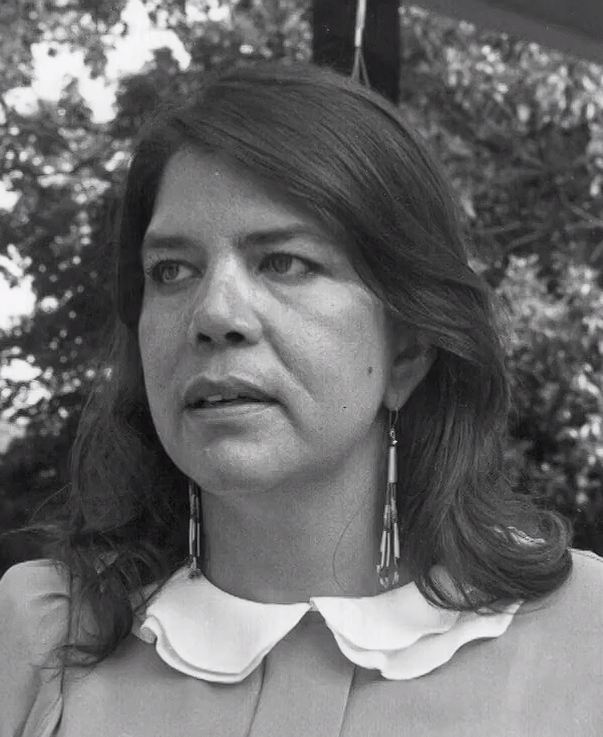
Mankiller revitalized Cherokee self-governance and rural community development—expanding housing, health care, and tribal enterprises while mentoring Native women in leadership across Indian Country.
Read more →
His book Custer Died for Your Sins helped reset U.S. conversations about treaties, tribal governments, and misrepresentation of Native people—blending law, humor, and history.
Read more →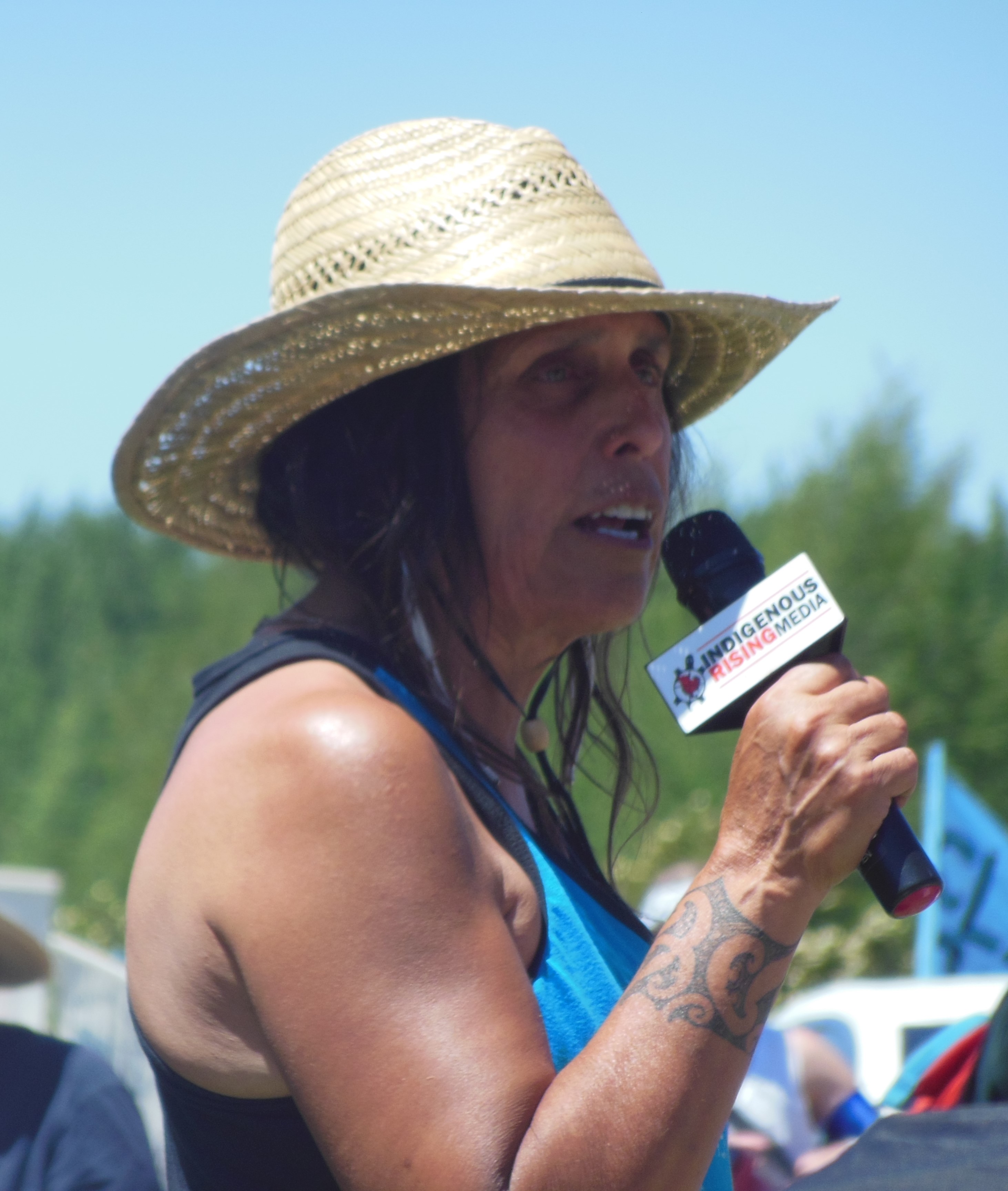
LaDuke founded the White Earth Land Recovery Project and Honor the Earth, organizing around treaty rights, renewable energy, and opposition to pipelines that threaten treaty lands and water.
Read more →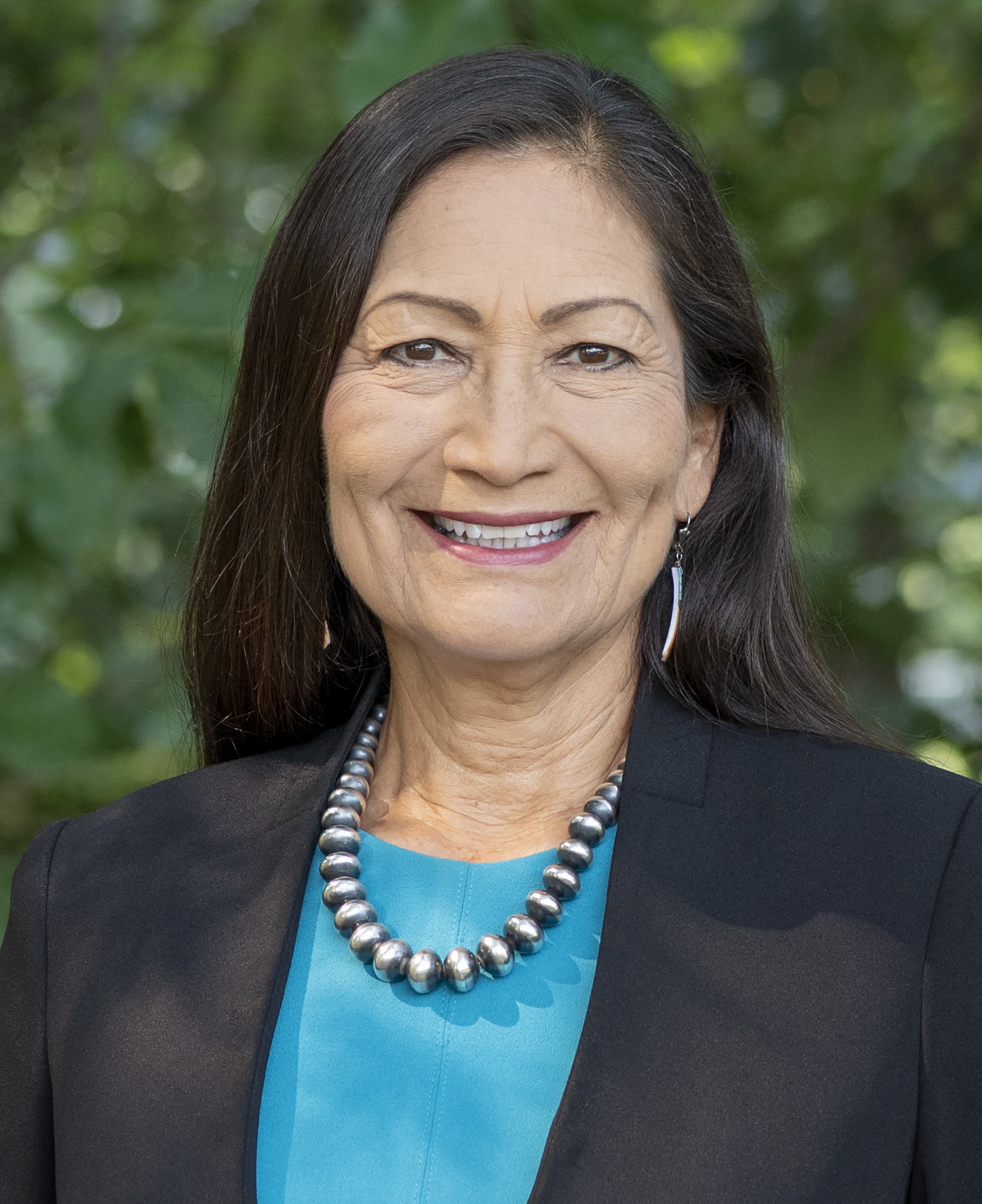
A former U.S. representative from New Mexico, Haaland served as Secretary of the Interior—overseeing agencies that shape tribal relations, public lands, and the protection of sacred sites.
Read more →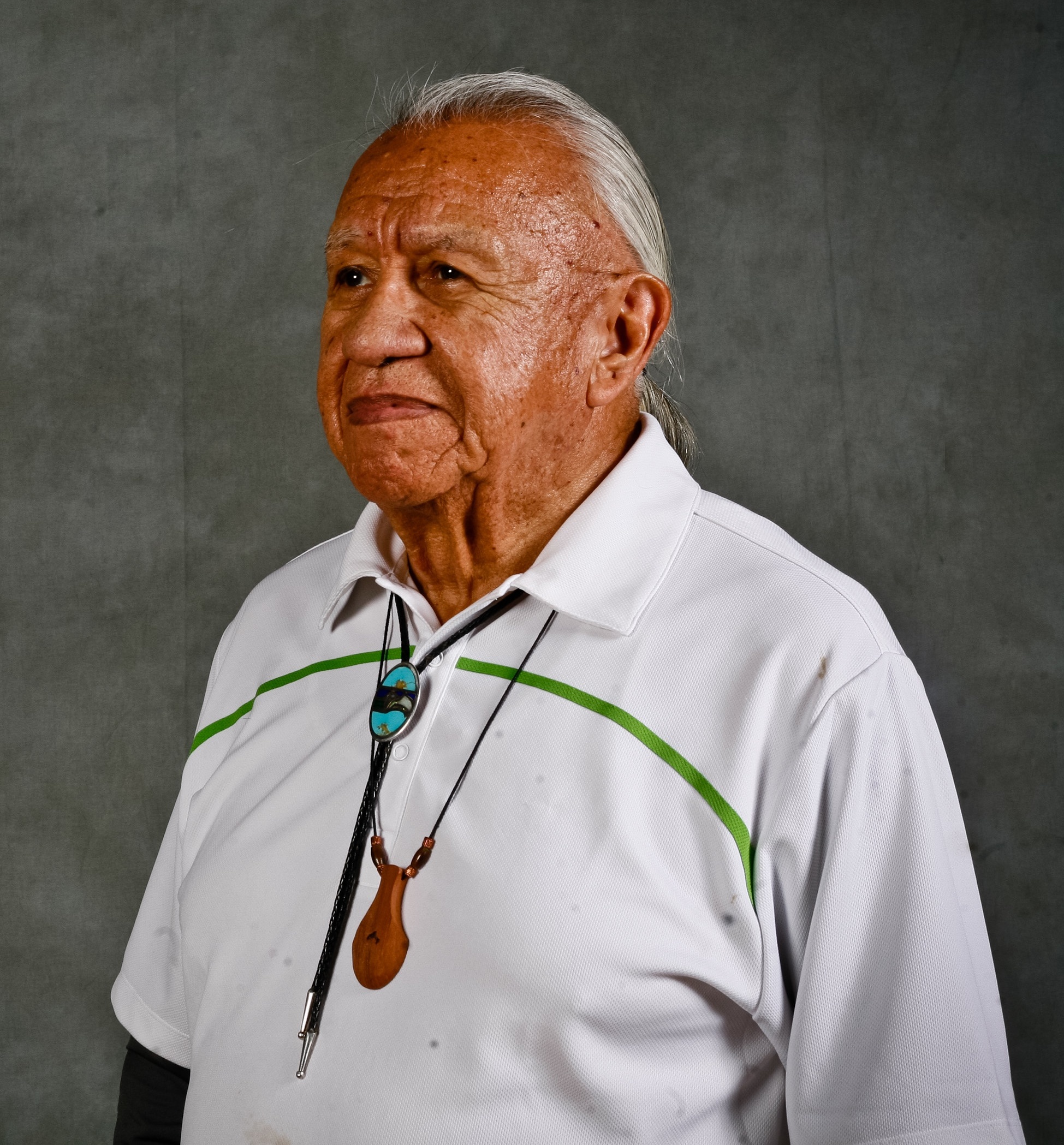
Frank organized 'fish-ins' on the Nisqually River to assert treaty fishing rights guaranteed in treaties—facing arrest dozens of times before courts affirmed tribal salmon fisheries in the Pacific Northwest.
Read more →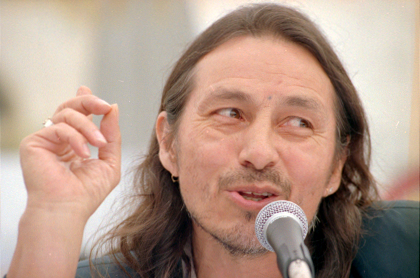
Trudell was a spokesperson for the 1969 Alcatraz occupation and during the 1973 Wounded Knee standoff—then rebuilt his public voice as a poet and recording artist after personal tragedy.
Read more →